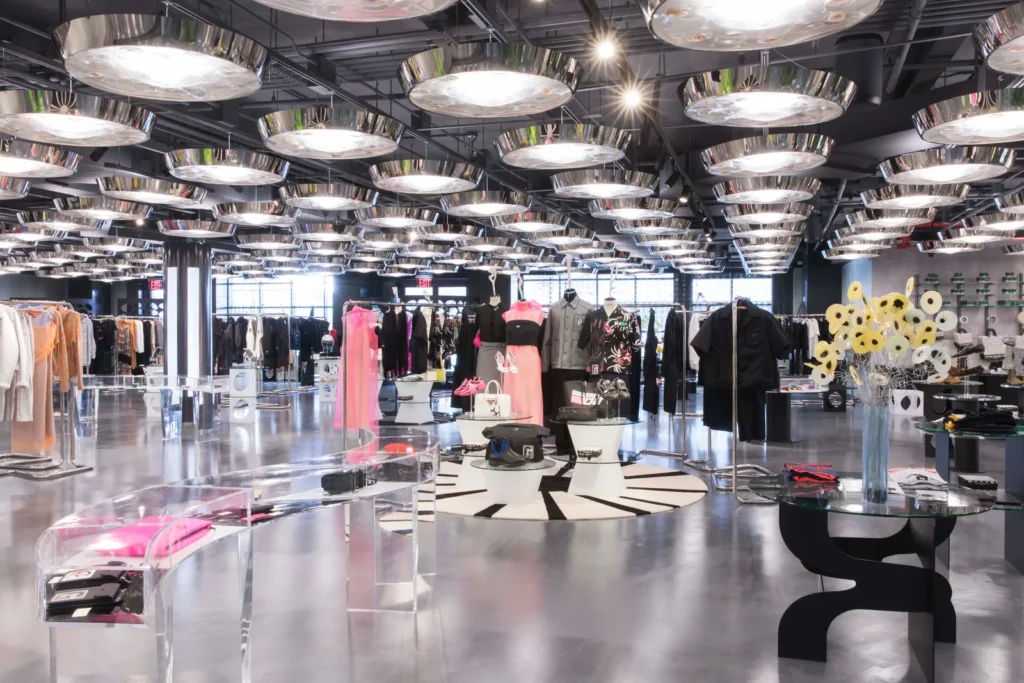
Every fashion brand that wants to sell wholesale in the United States eventually faces the same question: how do you get your collection in front of the right buyers? For most emerging labels, the answer is a fashion showroom NYC brands rely on. New York is still the wholesale capital of American fashion, and a good showroom is the bridge between your studio and the stores that will carry your clothes.
But not every showroom is right for every brand. Some specialise in contemporary womenswear, others in menswear, accessories, or eveningwear. Some work only with established labels, while others build emerging designers from scratch. This guide explains what a fashion showroom NYC actually does, what it costs, what you need before you approach one, and how to pick the partner that fits your brand.
What Is a Fashion Showroom?
A fashion showroom is a sales space where wholesale buyers come to view collections and place orders for their stores. Think of it as your brand’s shop window for the trade — not for the public, but for the buyers, boutique owners, and department store merchandisers who decide what ends up on the rails.
A showroom displays your samples, holds your line sheets and lookbooks, and hosts appointments during market weeks. When a buyer likes a piece, the showroom takes the order, follows up on delivery, and manages the relationship with that store. In return, the showroom earns a commission on every order it writes.
Most New York showrooms are based in the Garment District, around 37th, 38th, and 39th Streets in Midtown Manhattan — the same neighbourhood where the city’s fashion trade has lived for a century. Buyers from across the country fly in during market weeks, and a single week can mean dozens of appointments in one building.
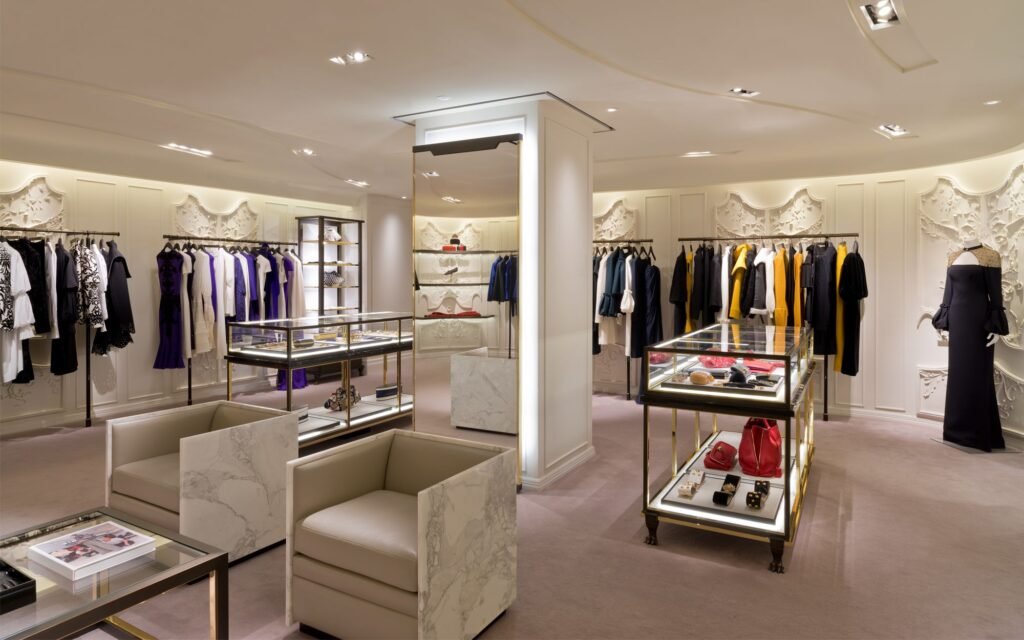
What Does a Fashion Showroom NYC Actually Do?
A showroom does far more than hang your clothes on a rail. A good fashion showroom in NYC works as your wholesale sales team. Here is what that usually includes:
- Buyer appointments: the showroom books meetings with buyers from boutiques, department stores, and online retailers, and presents your collection to them.
- Market week presence: during New York market weeks — when shows like Coterie and MAGIC bring thousands of buyers to the city — your collection is on display and ready to sell.
- Line sheets and order management: the showroom prepares your line sheet, takes orders, tracks deliveries, and chases reorders.
- Brand positioning: a good showroom advises you on pricing, delivery windows, and which stores fit your brand — and which ones do not.
- Trade show support: many showrooms also exhibit at trade shows on your behalf, so your brand is seen by buyers who never visit the showroom itself.
If you are preparing for your first market week, read our guide on how to prepare your fashion collection for a trade show on our blog — the same preparation applies to a showroom appointment.
Why New York Is Still the Showroom Capital
Paris has couture, Milan has luxury, but New York has the wholesale business. Three reasons keep the city at the centre of it:
1. The buyers come here. Buyers from every region of the United States plan their trips around New York market weeks. A showroom in the Garment District puts your collection where the buyers already are.
2. The infrastructure is here. Fabric suppliers, pattern makers, sample rooms, photographers, and trade show venues are all within a few blocks. That density is hard to reproduce anywhere else.
3. The scale is here. From independent boutiques in SoHo to major department stores, the range of buyers a New York showroom can reach in a single season is unmatched.
That is why even brands based in Los Angeles, London, or Seoul keep a New York showroom. The city is where wholesale fashion happens. For an emerging label, a fashion showroom NYC can be the fastest route to buyers across the country.
How to Find the Right Fashion Showroom NYC
Finding a fashion showroom NYC is not about picking the biggest name. It is about fit. Follow these steps:
1. Know your category and price point
Showrooms specialise. A showroom that sells contemporary womenswear at $100–$300 retail will not be the right home for a luxury eveningwear label — or for a streetwear brand. Be honest about where your collection sits, then look for showrooms that already sell in that space.
2. Study their brand roster
A showroom’s current brands tell you everything. If their roster looks like your brand’s peers — same price point, same customer, same quality level — you are in the right place. If the roster is all over the place, the showroom probably does not have a clear identity, and buyers will not know what to expect from it either.
3. Visit during market week
The best way to judge a showroom is to walk in during a market week. Is the space well presented? Are buyers coming through? Do the staff know the collections they represent? A showroom visit tells you more in an hour than a website ever will.
4. Ask for references
Talk to two or three brands the showroom currently represents. Ask how communication works, how quickly orders are followed up, and whether the showroom delivers what it promised. Brands are usually honest about this, and a good showroom will happily connect you.
5. Check the contract carefully
Most showroom agreements run for one or two seasons. Read the exclusivity terms, the territory, and the exit clause before you sign anything. Understand exactly what the commission covers and what happens to your accounts if the relationship ends.
What to Prepare Before You Approach a Showroom
A fashion showroom NYC takes on brands it believes it can sell. Walk in prepared:
- A complete line sheet: every style, with wholesale prices, sizes, colours, and delivery dates. If you do not have one yet, learn how to make a fashion line sheet first — it is the single most important document a buyer will ask for.
- A lookbook: clean, professional photography of the full collection, styled the way you want stores to see it.
- Physical samples: buyers need to touch the fabric and check the fit. A full sample set, in the right sizes, is non-negotiable.
- Wholesale pricing: know your margins. Most wholesale prices are roughly half of retail, and you need to be profitable at that level.
- A delivery calendar: buyers order months ahead. Know when you can deliver, and be realistic about it.
Brands that arrive with all five of these get taken seriously. Brands that arrive with only an Instagram account do not.
How Do Fashion Showrooms Get Paid?
Showrooms usually earn a commission of 10% to 20% on the wholesale orders they write. Some also charge a monthly retainer or a fee to cover the cost of market week space. The exact structure varies, so ask for it in writing before you agree to anything.
Be cautious of any showroom that asks for a large upfront fee with no clear sales plan attached. A reputable showroom earns its money from sales, not from signing fees.
Fashion Showroom vs Trade Show: What Is the Difference?
New brands often confuse the two. A trade show is a short event — a few days where hundreds of brands exhibit side by side and buyers walk the floor looking for new labels. A showroom is a permanent space, open all season, where buyers come for focused one-to-one appointments with your collection.
Most successful brands use both: the trade show for discovery and new accounts, the showroom for follow-up orders and long-term relationships. A fashion showroom NYC gives you a home base between shows.
Questions to Ask Before You Sign
- Which buyers do you already work with in my category?
- How many brands do you represent, and how much attention will mine get?
- What is your commission, and are there any other fees?
- Which trade shows do you exhibit at?
- How do you handle reorders and delivery problems?
- What happens if either side wants to end the agreement?
If a showroom cannot answer these clearly, that is your answer.
Red Flags to Watch For
- Guaranteed orders: no showroom can guarantee sales. Promises of guaranteed orders are a warning sign.
- No buyer list: a showroom that will not name its buyers probably does not have them.
- Overcrowded roster: if one showroom represents fifty brands in your category, yours will not get attention.
- Pressure to sign fast: a good partnership is worth a careful decision. Urgency is a sales tactic, not a sign of demand.
Frequently Asked Questions About Fashion Showroom NYC
1. What is a fashion showroom in NYC?
A fashion showroom in NYC is a space where designers and fashion brands display their clothing, accessories, and latest collections for buyers, retailers, and fashion professionals.
2. Where can I find a fashion showroom in NYC?
You can find fashion showrooms in popular fashion districts throughout Manhattan, including the Garment District and other areas known for fashion businesses.
3. Do I need an appointment to visit a fashion showroom in NYC?
Many fashion showrooms require appointments, especially for private collections, wholesale presentations, and buyer meetings. It is best to contact the showroom before visiting.
4. Can the public visit fashion showrooms in NYC?
Some showrooms welcome the public, while others are exclusively available to fashion buyers, retailers, stylists, and industry professionals.
5. What can I see inside a fashion showroom?
You can explore clothing collections, seasonal designs, accessories, fabrics, fashion trends, and new products presented by different designers and brands.
6. Are fashion showrooms in NYC good for discovering new designers?
Yes. Many showrooms introduce emerging designers and independent fashion brands, giving visitors an opportunity to discover unique styles, creative collections, and new fashion trends.
7. Can fashion boutiques buy wholesale from NYC showrooms?
Yes. Many wholesale showrooms work directly with boutique owners and retailers. Buyers can review collections, discuss wholesale prices, and place orders according to the showroom’s purchasing requirements.
8. When is the best time to visit a fashion showroom in NYC?
Fashion Week and seasonal market periods are popular times to explore new collections and meet fashion brands. However, many showrooms operate throughout the year by appointment.
9. Can international buyers visit fashion showrooms in NYC?
Yes. International fashion buyers and retailers can visit many NYC showrooms. They should contact the showroom in advance, arrange appointments, and check any applicable travel requirements.
10. Why should fashion brands choose a showroom in NYC?
New York City offers access to fashion buyers, retailers, designers, stylists, and industry professionals. A showroom can help brands present collections, build business relationships, and increase their visibility in the fashion industry.
Final Thoughts
Finding the right Fashion Showroom NYC can make your shopping experience more exciting and enjoyable. New York City offers a wide range of fashion showrooms featuring stylish clothing, unique designs, emerging designers, and the latest trends. Whether you are looking for elegant outfits, modern streetwear, or exclusive fashion collections, exploring a Fashion Showroom NYC can help you discover something special. Take your time to compare styles, explore different collections, and choose a Fashion Showroom NYC that matches your personal taste and fashion needs.
Leave a Reply